
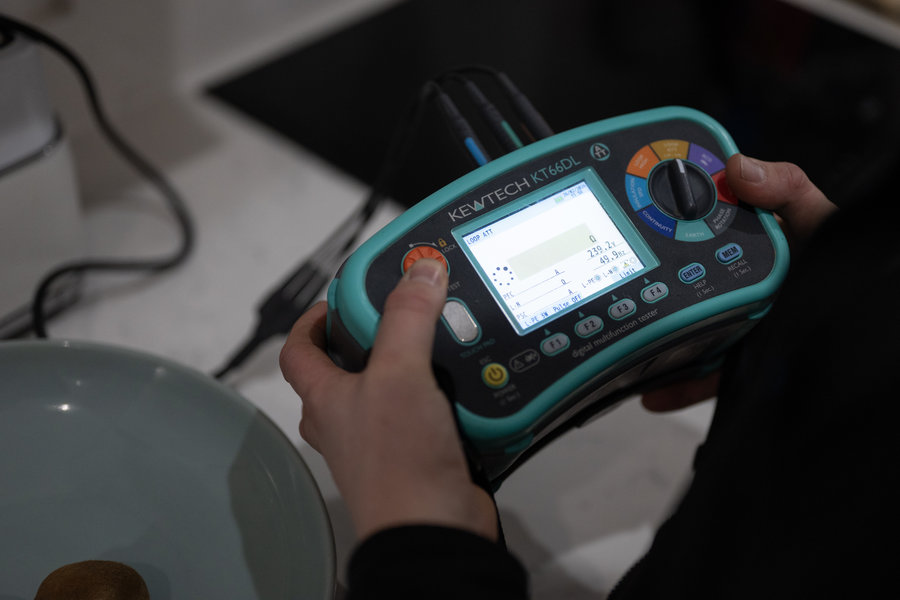
My EICR Has Failed — What Happens Next?
If you have just received a failed Electrical Installation Condition Report (EICR), it can feel a bit overwhelming. You might be wondering what it actually means, whether your property is safe, and what you need to do next. The good news is that a failed EICR is not the end of the road. It is a clear, structured way of identifying issues so they can be put right.
In this guide, we will walk through what a failed EICR really means, the types of faults you might see, and the practical steps you should take to resolve them.
What does it mean when an EICR fails?
An EICR is carried out to assess the safety of an electrical installation. When it “fails”, it means that one or more issues have been identified that could pose a risk to people or property.
The electrician will assign codes to any issues found. These codes help you understand how urgent the problem is.
A failure usually includes one or more of the following:
- C1: Danger present. There is an immediate risk of injury and urgent action is required
- C2: Potentially dangerous. The issue needs to be addressed as soon as possible
- FI: Further investigation required. Something is not quite right and needs more detailed inspection
If your report only includes C3 observations, these are recommendations for improvement and do not cause the EICR to fail.
So in simple terms, a failed EICR means there are safety concerns that need attention before the installation can be considered safe.
Is a failed EICR dangerous?
Not always immediately, but it should never be ignored.
Some issues are more serious than others. A C1 fault, for example, could mean exposed live wiring or a risk of electric shock. In these cases, the electrician may make the installation safe before they even leave the property.
C2 faults are not necessarily dangerous right now, but they could become hazardous if left unresolved. Common examples include lack of earthing, outdated fuse boards, or wiring that no longer meets current standards.
The key thing to understand is that the EICR is designed to prevent problems before they lead to injury, fire, or system failure.
What are the most common reasons an EICR fails?
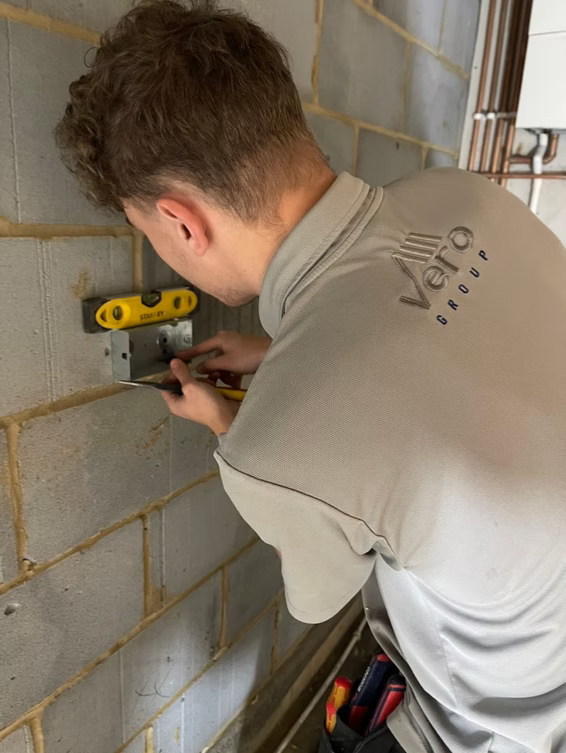
Many failures come down to age, wear and tear, or previous work that does not meet current regulations.
Some of the most common issues include:
- Outdated consumer units without modern safety devices like RCDs
- Damaged sockets or switches
- Poor earthing or bonding
- Overloaded circuits
- General deterioration of wiring
In older properties across Kent and the South East, it is quite common to see installations that were safe at the time but no longer meet today’s standards. That does not mean everything needs replacing, but it does mean improvements are needed.
What happens straight after a failed EICR?
Once the inspection is complete, you will receive a report outlining all observations and their classifications.
At this point, nothing happens automatically. It is up to you to decide how to proceed, but if you are a landlord, there are legal responsibilities to act within a set timeframe.
For rental properties in England, remedial work must usually be completed within 28 days, or sooner if specified in the report.
For homeowners, there is no strict legal deadline, but it is strongly recommended to deal with any C1 or C2 issues as soon as possible.
The next step is to review the report with a qualified electrician who can explain the findings in plain English and advise on the best course of action.
Do I need a full rewire if my EICR fails?
Not necessarily.
One of the biggest concerns people have is that a failed EICR automatically means a full rewire. In reality, that is rarely the case.
Most failures can be resolved with targeted remedial work. This might include replacing a consumer unit, upgrading earthing, fixing faulty circuits, or replacing damaged components.
A full rewire is usually only recommended if the installation is very old, extensively damaged, or poses ongoing safety risks that cannot be addressed through smaller repairs.
A good electrician will always aim to provide a practical and cost-effective solution rather than suggesting unnecessary work.
How much does it cost to fix a failed EICR?
The cost can vary depending on the number and severity of the issues.
Minor fixes such as replacing sockets or correcting small faults can be relatively inexpensive. More involved work, such as upgrading a consumer unit or addressing multiple circuit issues, will cost more.
It is also worth remembering that resolving these issues is an investment in safety. Electrical faults are one of the leading causes of house fires in the UK, so putting things right now can prevent far more serious costs later.
Can I still use the electrics if my EICR has failed?
In most cases, yes, but with caution.
If there are any C1 issues, these should already have been made safe by the electrician. For C2 issues, the system may still be usable, but it is not considered safe long term.
If in doubt, ask your electrician to clearly explain what is safe to use and what should be avoided until repairs are completed.
What happens after the repairs are done?
Once the necessary remedial work has been completed, you will need written confirmation that the installation is now safe.
This is usually provided in the form of a Minor Electrical Installation Works Certificate or a new EICR showing a satisfactory result.
For landlords, this updated documentation must be kept on record and provided to tenants or local authorities if requested.
For homeowners, it is simply good practice to keep these records for future reference, especially if you plan to sell the property.
How can you avoid failing your next EICR?
While not all issues can be prevented, regular maintenance and small upgrades can make a big difference.
Keeping your electrical system in good condition, avoiding DIY electrical work, and having periodic checks carried out can help identify problems early.
If your property is older, it may be worth discussing proactive upgrades with an electrician rather than waiting for issues to appear in a report.
What to do next
A failed EICR is not something to panic about, but it is something to take seriously.
It is a clear indication that your electrical system needs attention, and acting on it promptly helps protect your property and the people in it.
If you have recently received a failed report, Vero can guide you through the findings, prioritise the work, and help you get your installation back to a safe and compliant standard.
If you need help with an EICR in Kent or want advice on remedial work following a failed inspection, get in touch today.