
How Often Does a Rental Property Need an Electrical Inspection in Kent?
For landlords in Kent, electrical safety is not just a good practice — it’s a legal responsibility. One of the most common questions is how often a rental property needs an electrical inspection, and the answer is clearer than many expect.
In England, including Kent, rental properties must undergo an Electrical Installation Condition Report (EICR) at least every five years. This applies to most private rented properties and is part of wider legislation designed to ensure tenant safety.
What Is an EICR and Why Does It Matter?
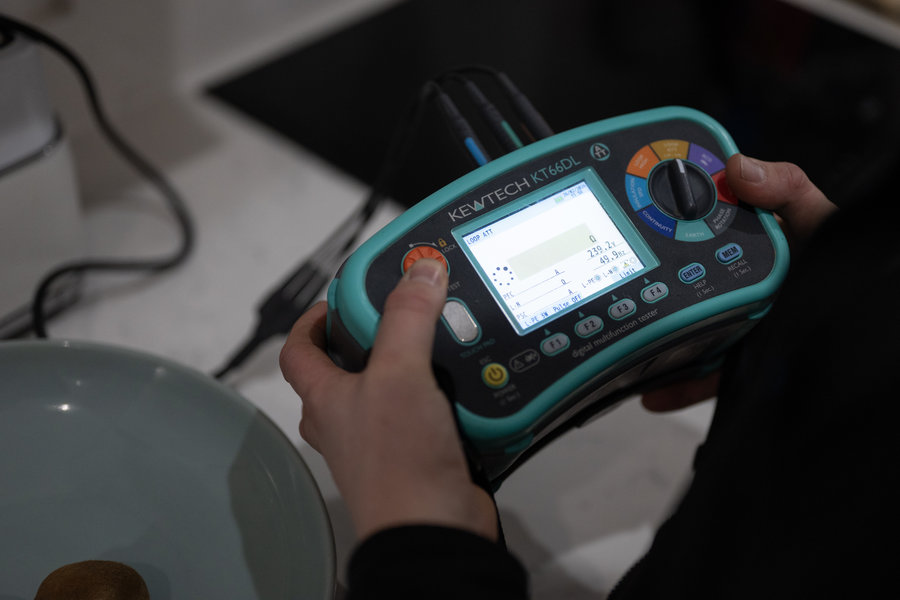
An EICR is a professional inspection of a property’s electrical system. It assesses whether wiring, sockets, consumer units, and overall installation meet current safety standards.
The inspection identifies:
- Potential hazards
- Signs of wear or deterioration
- Non-compliance with regulations
For landlords, it provides documented proof that the property is safe to let.
The Legal Requirement in Kent
The law requires landlords to:
- Have a valid EICR carried out at least every five years
- Provide a copy to tenants
- Carry out remedial work if required
Local authorities can request this documentation at any time, and failure to comply can result in enforcement action or fines.
Even if tenants remain in the property long-term, the five-year rule still applies. A change of tenancy does not reset the requirement — the inspection must be kept up to date regardless.
When You May Need an Inspection Sooner
Although five years is the standard interval, there are situations where an earlier inspection is advisable.
If a previous report highlights issues, recommends a shorter inspection period, or if the property has undergone significant electrical work such as a house rewire, it’s sensible to act sooner. Older properties, or those with higher usage, may also require more frequent checks.
Landlords often overlook this, assuming five years is fixed, but in reality, the inspection frequency should reflect the condition and usage of the property.
What Happens If You Don’t Have a Valid EICR?
Operating without a valid EICR exposes landlords to several risks. Beyond potential fines, there’s the issue of liability. If an electrical fault causes injury or damage, the absence of proper inspection records can create serious legal and financial consequences.
There’s also the practical issue of tenant trust. More tenants are aware of their rights and may request evidence of compliance before or during a tenancy.
Why Electrical Safety Impacts Property Value
Electrical compliance doesn’t just affect legal standing — it also influences how a property is perceived. Buyers, tenants, and agents all look for reassurance that a property is safe and well maintained.
This ties closely to the wider role of electrical condition in property value, as explored in our guide on how rewiring can add value to your property. A well-maintained system reduces uncertainty and makes a property more attractive in both rental and sales markets.
Arrange Your EICR Inspection Today
If you’re a landlord in Kent and unsure whether your property is compliant, or your EICR is due, now is the time to act.
Contact Vero Group to arrange your EICR inspection and ensure your rental property meets current electrical safety regulations.